
Vacuum bags losing their seal after a few days? Usually the seam isn’t properly made. Use the folding technique and tips for a strong, leak-proof seal.
Summary
With the folding technique you keep the seal area clean, prevent wrinkles and make a strong, leak-proof vacuum seal—especially with moist or messy foods.
Folding technique for vacuum bags: how to get a strong, leak-proof seal
Short intro (≤150 characters)
Learn the folding technique for vacuum bags: keep the seal area clean, prevent leaks, and get a strong seal every time.
Why the folding technique works
A vacuum seal usually fails because of moisture, grease, crumbs, or wrinkles exactly where the seal is made. The folding technique creates a “protective edge” so the seal area stays clean and dry while filling. Result: better adhesion, fewer leaks, and fewer failed seals.
Step-by-step: how to use the folding technique
1) Fold the edge (4–8 cm)
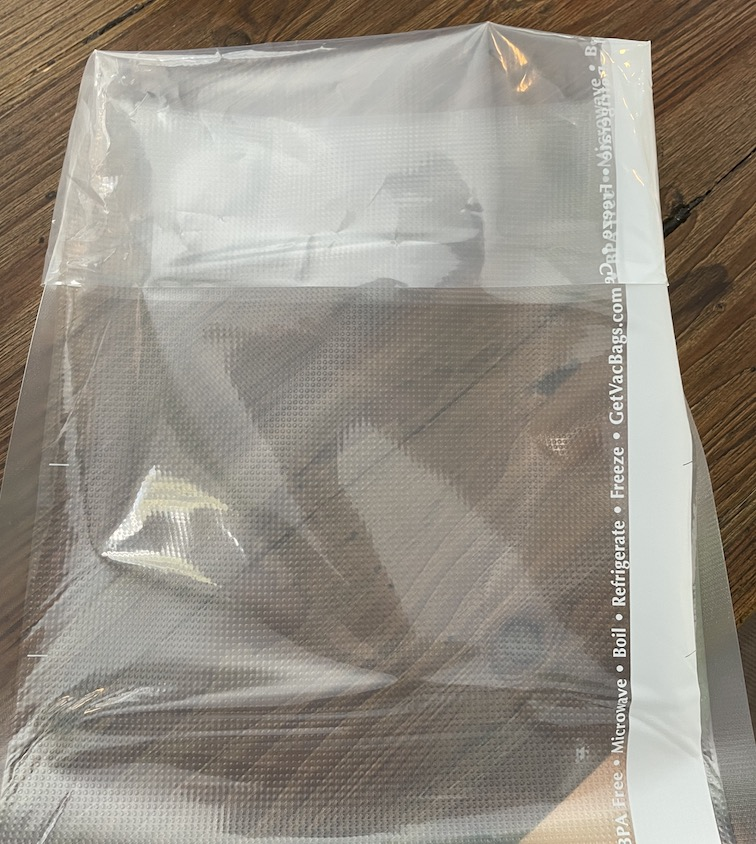
Fold the top 4–8 cm of the vacuum bag outward. This creates a cuff that faces outward.
Why: it keeps the inner sealing surface from touching moisture or food during filling.
2) Fill the bag (keep the folded edge clean)
Place your food or items inside without contaminating the folded edge.
Tip: use a wide-mouth funnel for liquids, marinades, or small items.
3) Unfold the edge and smooth flat
Fold the edge back up to its original position and smooth the upper part.
Why: a clean, flat seal area prevents wrinkles and ensures a strong, straight seal.
4) Seal the bag
Place the open end into your vacuum sealer and follow the manufacturer’s instructions to vacuum and seal.
Extra tips for a reliable seal
Keep the seal area clean and dry
If any moisture or grease got onto the seal area, wipe and dry it with paper towel before sealing.
Why: even a thin film of moisture can prevent a proper seal.
Avoid overfilling
Leave at least 5–8 cm of space at the top.
Why: this gives enough room for a strong seal and prevents contents from being sucked toward the seal bar.
Pre-freeze wet items
For soups, chili, sauces, or marinated meat: pre-freeze partially on a tray or in a suitable container.
Why: firmer food helps prevent mess and allows better vacuuming without liquid in the seal zone.
Use a paper “dam”
Place a folded strip of paper towel just below the sealing area (not between the seal bars but underneath).
Why: it absorbs moisture that might rise during vacuuming.
Ensure items lie flat
Distribute food evenly and avoid folds near the sealing area.
Why: wrinkles can form small channels allowing air to leak back into the bag.
Quick troubleshooting: seal comes loose or leaks
Seal is weak/opens: sealing area was wet/greasy → clean and reseal.
Air returns: wrinkles near the seal → smooth the bag and reseal.
Contents get sucked out: too full or too wet → leave more space or pre-freeze / use paper dam.
Seal is crooked or incomplete: bag wasn’t positioned straight → reposition and reseal.